


By Benson Daniel
Nigeria’s livestock sector generated about ₦3.23 trillion in real economic output in the second quarter of 2026, highlighting its growing contribution to the country’s economy and agricultural value chain.
The figure represents about 6.04 per cent of Nigeria’s real Gross Domestic Product (GDP) during the quarter, according to the latest national GDP data. Livestock output during the period was also higher than the contribution of the crude petroleum and natural gas sector, which stood at about ₦2.23 trillion, or 4.16 per cent of real GDP.
The development underscores the increasing importance of livestock production to Nigeria’s broader economic activity, particularly through cattle, poultry, dairy production and other related activities.
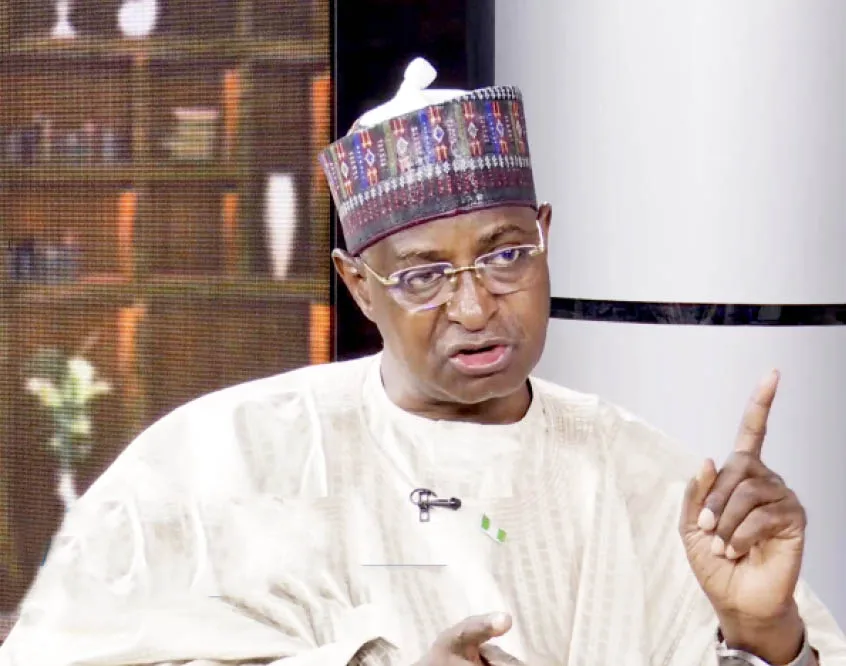
Minister of Livestock Development, Idi Mukhtar Maiha, said the sector is worth about $32 billion and that the Federal Government is working to improve productivity and unlock more value across the livestock value chain.
Maiha said the government established the Ministry of Livestock Development to formalise and modernise the sector while implementing measures aimed at improving production, processing, animal health and other areas of the industry.
He said the government had consolidated existing livestock policies into the National Livestock Growth Acceleration Strategy, which has 10 pillars, while a National Livestock Master Plan with a 15-year development trajectory has also been developed.
The minister disclosed that the number of states with dedicated livestock ministries or agencies had increased from three to 21, while the government was promoting Livestock Development Centres through partnerships involving federal and state governments and private-sector operators.
The proposed centres are expected to focus on areas such as genetic improvement, feed and fodder production, animal health, biosecurity and processing.
Maiha also said the government was moving towards more organised livestock production systems, arguing that open grazing and nomadism were no longer sustainable because the movement of animals over long distances affects productivity and contributes to conflicts.
Nigeria has hundreds of grazing reserves, although many have not been adequately rehabilitated and some have been affected by encroachment. The government is therefore working with states willing to provide land for livestock development centres and settled production systems.
Another planned reform is the introduction of livestock identification and traceability systems using ear tags, microchips and radio-frequency identification technology.
Such systems are expected to improve data on livestock populations, facilitate tracking of animal movement and strengthen disease surveillance and vaccination planning.
With the sector already accounting for more than six per cent of real GDP, increased investment in production, processing, animal health and value-chain infrastructure could further expand its contribution to Nigeria’s economy.










Leave a comment