


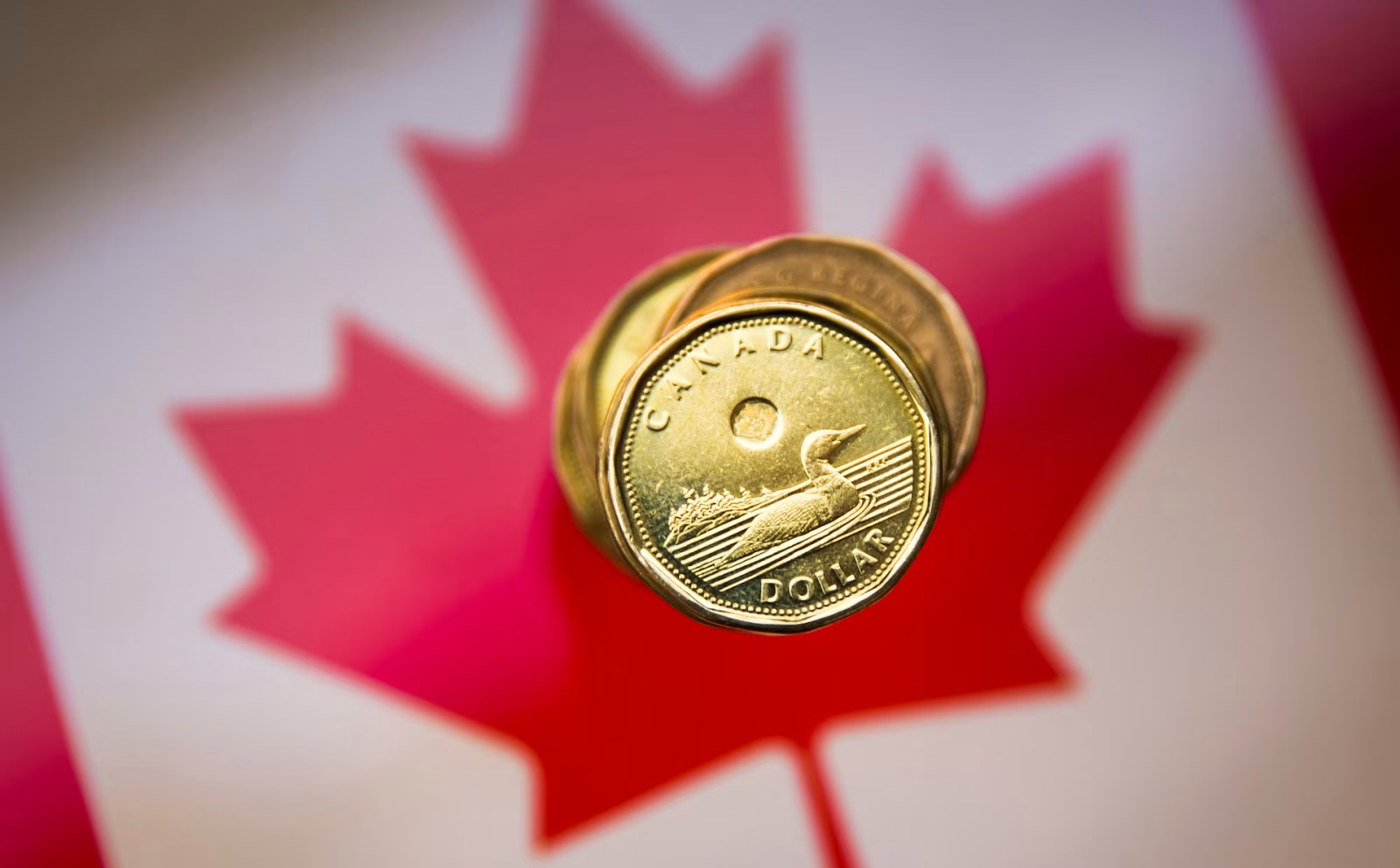
The Canadian dollar weakened against the U.S. dollar on Tuesday as investors assessed the chances of Canada reaching a last minute trade agreement with Washington to prevent new tariffs on Canadian goods.
The loonie was down 0.2% at C$1.39 per U.S. dollar, or 71.94 U.S. cents, after strengthening to C$1.3842 on Monday, its highest level in more than two months.
Canada is racing to reach a deal before new 50% U.S. tariffs on about $20 billion worth of Canadian imports take effect at midnight on Wednesday. Prime Minister Mark Carney spoke with U.S. President Donald Trump on Monday as negotiations continued.
Analysts at Monex Europe said a lasting agreement could push the U.S. dollar lower against the Canadian currency, with the USD/CAD exchange rate potentially falling toward 1.37. However, an escalation in the trade dispute could send it above 1.40.
The Canadian dollar also received some support from higher oil prices. West Texas Intermediate crude rose 0.6% to $85.03 a barrel as hopes for an agreement to end the Middle East conflict weakened, raising concerns about prolonged disruptions to energy supplies. Oil is one of Canada’s major exports.
Canadian economic data offered mixed signals. Home sales increased for a fourth consecutive month in July, rising 0.5% from June, while home prices also edged higher. BMO Capital Markets economist Robert Kavcic said the housing market appeared to be stabilising.
However, housing starts unexpectedly declined by 5% from the previous month.
Canadian government bond yields fell by two to three basis points across the yield curve after the 30 year yield reached 4.173%, its highest level since January 2010.
The movement came as bond markets globally faced renewed pressure from inflation concerns and growing fiscal risks, with long-term borrowing costs in the United States, Japan and Germany reaching multi-year highs.







Leave a comment