


By Benson Daniel
Nigeria has been urged to prioritise the preservation and restoration of its mangrove forests as experts warn that continued degradation of the fragile ecosystem could have far reaching consequences for the country’s economy, food security and climate resilience.
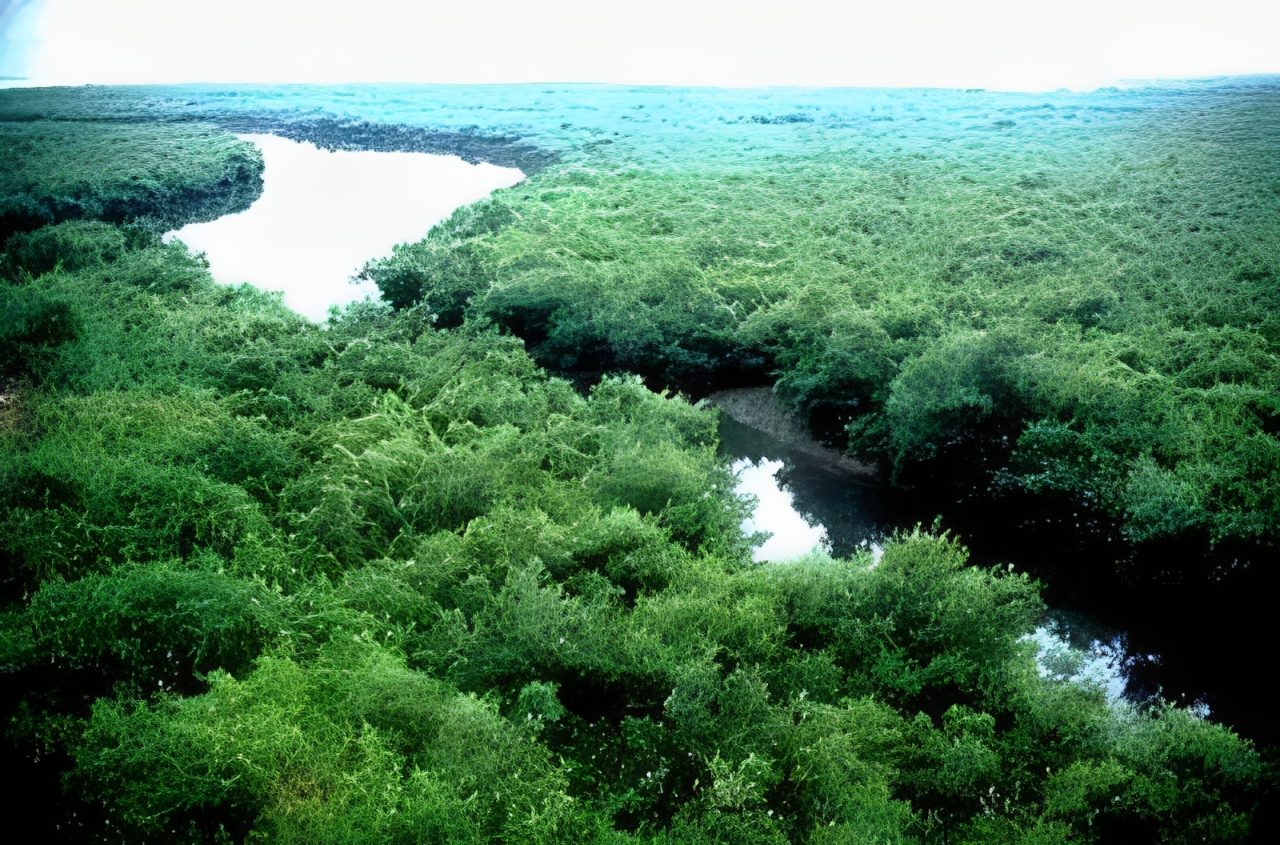
Mangroves, which are found mainly along Nigeria’s coastal regions, play a vital role in protecting shorelines from erosion, supporting fisheries, storing carbon and sustaining the livelihoods of millions of people who depend on coastal resources. Environmental specialists say investing in their conservation is no longer an environmental choice but an economic necessity.
According to experts, Nigeria possesses one of the largest mangrove ecosystems in Africa, yet years of oil pollution, illegal logging, coastal development and climate change have significantly reduced their coverage. The continued destruction of these forests threatens biodiversity, weakens natural coastal defences and exposes vulnerable communities to flooding and rising sea levels.
Environmental advocates argue that restoring degraded mangrove forests would enhance fish breeding grounds, improve water quality and strengthen food production for communities whose livelihoods depend on fishing and other marine resources. Healthy mangrove ecosystems also provide habitats for numerous species of birds, fish and wildlife, making them essential for maintaining ecological balance.
Beyond their environmental importance, mangroves are recognised as powerful natural carbon sinks capable of absorbing and storing significantly more carbon than many terrestrial forests. Experts believe large scale investment in mangrove restoration could help Nigeria meet its climate commitments while creating opportunities to access international climate finance and carbon credit markets.
Stakeholders also note that conservation programmes could generate employment through ecosystem restoration projects, environmental monitoring, eco tourism and sustainable aquaculture. Such investments, they say, would contribute to economic diversification while strengthening resilience against the growing impacts of climate change.
They further called for stronger enforcement of environmental regulations, increased community participation and greater collaboration between government agencies, private sector operators and development partners to protect existing mangrove forests and restore degraded areas.
As global attention increasingly shifts toward nature based solutions for climate adaptation, experts maintain that preserving Nigeria’s mangroves represents a strategic investment capable of delivering lasting environmental, social and economic benefits for future generations.











Leave a comment