


By Benson Daniel
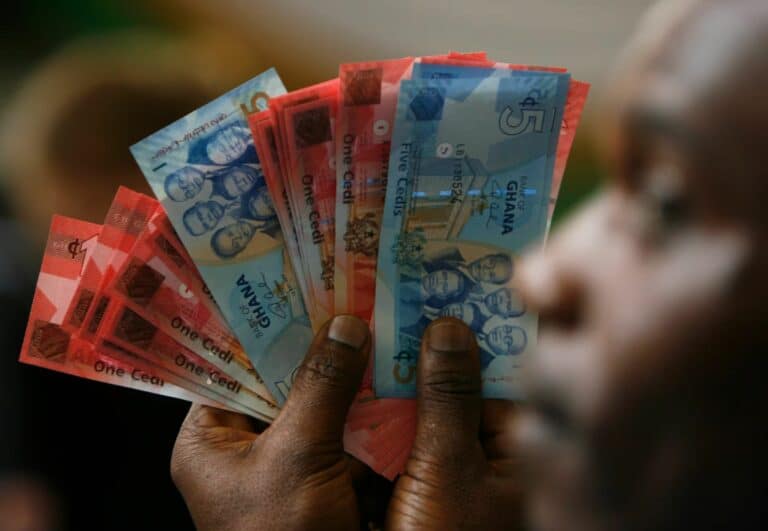
The currencies of Ghana, Nigeria and Uganda are facing renewed pressure amid persistent economic challenges, rising demand for foreign exchange and shifting global financial conditions that continue to weigh on African markets.
Analysts say the weakening of the three currencies reflects a combination of domestic and external factors, including inflationary pressures, exchange rate volatility and uncertainties in the global economy. These developments have increased concerns over the cost of imports and the broader impact on businesses and households.
In Nigeria, the naira remains under pressure despite ongoing monetary and fiscal reforms aimed at improving foreign exchange liquidity and restoring investor confidence. Market observers note that demand for the United States dollar continues to outpace supply, contributing to fluctuations in the local currency.
Ghana’s cedi and Uganda’s shilling have also experienced periods of depreciation as both countries grapple with inflation, external debt obligations and the need to sustain foreign exchange reserves. Economists believe these challenges could persist if global financial conditions remain tight.
Despite the pressure, financial experts maintain that ongoing economic reforms, improved export earnings and prudent monetary policies could help stabilise the affected currencies over time. They also emphasise the importance of attracting foreign investment, boosting non-oil exports and strengthening domestic production to reduce dependence on imports.
As African economies continue to navigate an uncertain global environment, policymakers are expected to intensify measures aimed at enhancing macroeconomic stability, protecting investor confidence and supporting sustainable economic growth across the region.











Leave a comment