


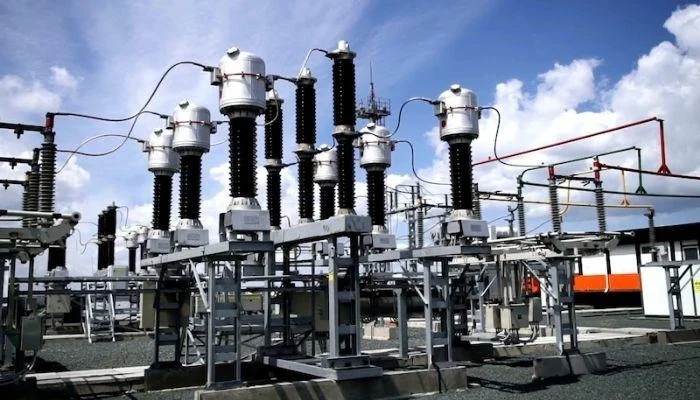
Residents and businesses in parts of Lagos and Osun states have been thrown into darkness following multiple transmission network failures and flooding that disrupted electricity supply across the affected areas.
The power outages were attributed to faults on critical transmission infrastructure, with heavy flooding in some locations further complicating restoration efforts and limiting access to damaged facilities.
Power sector operators said technical teams have been deployed to identify the affected transmission lines and substations, while emergency repair work is underway to restore normal electricity supply as quickly as possible.
The disruptions affected residential communities, commercial centres and industrial clusters, forcing many businesses to rely on alternative power sources to sustain operations. The outages also disrupted economic activities, with small and medium sized enterprises among the hardest hit due to rising energy costs associated with running diesel and petrol generators.
Industry analysts noted that recurring transmission failures continue to expose the fragility of Nigeria’s electricity network, underscoring the urgent need for sustained investment in grid infrastructure, improved maintenance and greater resilience against extreme weather events.
The flooding, triggered by heavy rainfall, further highlighted the growing impact of climate related challenges on critical infrastructure. Experts have called for stronger flood mitigation measures and climate resilient investments to safeguard power installations and reduce the frequency of weather related disruptions.
Consumers have expressed frustration over the persistent outages, urging authorities to accelerate repairs and implement long term solutions capable of improving the reliability of electricity supply across the country.
The latest incident comes as Nigeria continues efforts to strengthen its power sector through ongoing transmission upgrades, increased generation capacity and reforms aimed at improving electricity distribution. Stakeholders, however, maintain that significant investment in transmission infrastructure remains essential to delivering stable and reliable power needed to support economic growth and industrial development.
SOURCE: PUNCH










Leave a comment