


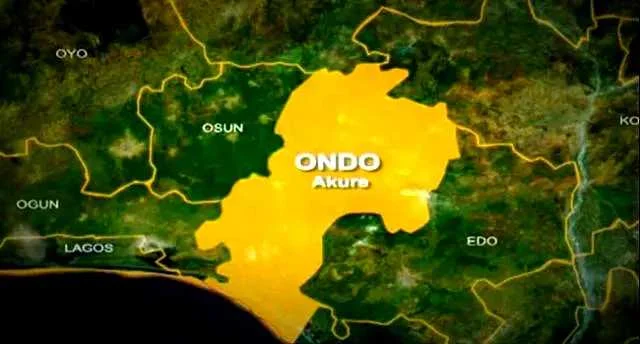
Residents and business owners in an Ondo State community have renewed calls on First Bank to reopen its branch, seven years after it was shut down, arguing that the prolonged closure has negatively affected commercial activities, financial inclusion, and access to banking services.
Community leaders, traders, farmers, civil servants, and other residents said the absence of the bank has forced customers to travel long distances to neighbouring towns to carry out basic financial transactions. They noted that the situation has increased transportation costs, wasted productive hours, and created difficulties for businesses that rely on regular banking services.
According to the residents, the closure has had a significant impact on local economic activities. Small and medium sized enterprises, market traders, and farmers have faced challenges in depositing cash, accessing loans, processing payments, and conducting other essential banking transactions. Many businesses have also expressed concerns about the security risks associated with transporting large amounts of cash to distant branches.
Community representatives explained that although digital banking services have expanded in recent years, many residents, particularly those in rural areas, still depend on physical bank branches for cash transactions, customer support, and financial advisory services. Limited internet connectivity, low digital literacy, and occasional network disruptions continue to make in person banking an important service for many customers.
The residents appealed to First Bank’s management to reconsider its decision and restore banking operations in the community, citing the area’s growing population and increasing commercial activities. They argued that reopening the branch would improve financial inclusion, stimulate local businesses, and support economic development.
Business owners also noted that the return of the bank would encourage more investment by providing entrepreneurs with easier access to financial products, including business loans, savings accounts, and electronic payment services. They believe improved banking access would strengthen confidence among investors and contribute to the expansion of commerce in the area.
Financial analysts have observed that while Nigerian banks continue to invest heavily in digital banking platforms, physical branches remain essential in many communities where access to reliable digital infrastructure is still limited. They argue that a balanced approach combining digital innovation with strategically located branches is necessary to ensure that all segments of the population benefit from modern financial services.
The appeal also reflects broader concerns about financial inclusion in rural Nigeria. Expanding access to banking services is considered vital for supporting entrepreneurship, increasing savings, improving access to credit, and promoting economic growth at the grassroots level.
Residents remain hopeful that First Bank will engage with community leaders and relevant stakeholders to assess the viability of reopening the branch. They believe such a move would not only restore convenient banking services but also serve as a catalyst for renewed economic activity and development in the area after seven years of limited financial access.
SOURCE: PUNCH









Leave a comment