


As Nigeria moves closer to the 2027 general elections, President Bola Tinubu and the All Progressives Congress face the challenge of managing competing political interests while building support for the president’s re-election campaign.
A major issue within the ruling party is how to accommodate influential politicians outside the APC without creating disagreements with loyal party members and state governors.
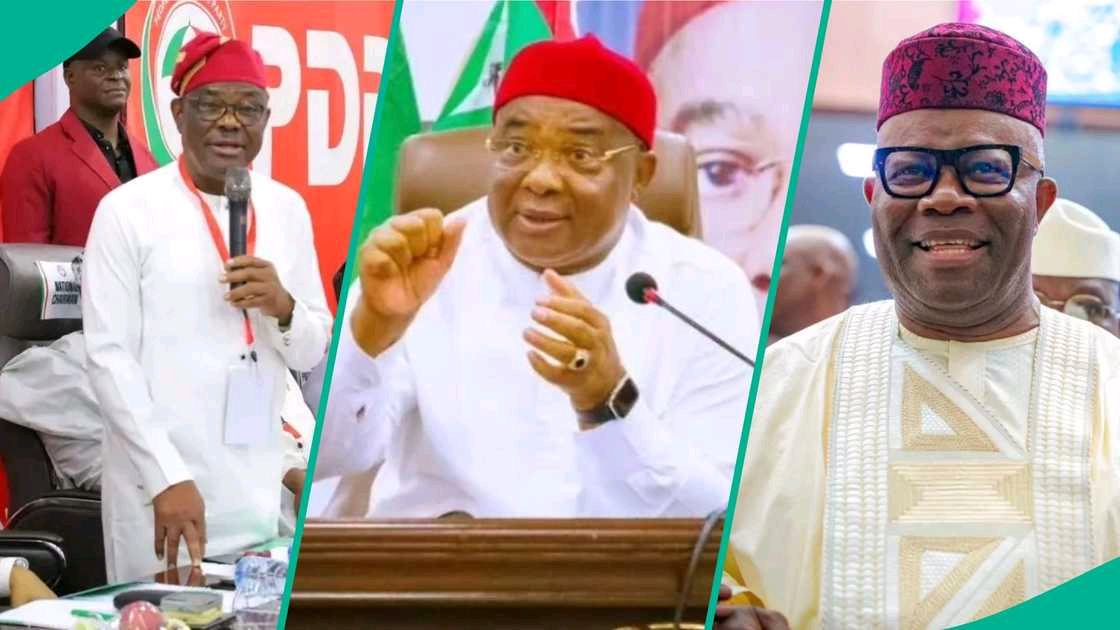
One of the most prominent figures at the centre of the debate is the Minister of the Federal Capital Territory, Nyesom Wike, a member of the Peoples Democratic Party who has continued to express support for Tinubu’s second-term ambition.
Wike’s Rainbow Coalition has, however, generated disagreements with APC governors, who insist that their political activities should focus on candidates officially sponsored by the ruling party. The disagreement has raised questions about whether support for Tinubu at the presidential level can coexist with support for other parties in governorship and legislative elections.
In September, the APC governors, through the Progressive Governors Forum, rejected political arrangements they believed could weaken the party or undermine its candidates in the 2027 elections. Wike maintained that his support for Tinubu did not require him to abandon the PDP or stop supporting candidates of his choice in other elections.
The debate took another turn in October when the APC expanded Tinubu’s presidential campaign structure to include Wike, Osun State Governor Ademola Adeleke of the Accord Party, and Anambra State Governor Chukwuma Soludo of the All Progressives Grand Alliance. Reports published on October 14 said the politicians were assigned campaign coordination responsibilities in their respective areas.
The move reflects an effort to bring politicians from different parties into a broader campaign arrangement. However, it has also raised concerns among some APC loyalists who fear that giving influential outsiders formal roles could create friction with established party members.
For Tinubu, managing these competing interests involves balancing the support of governors, party officials, political groups and influential figures outside the APC. Governors remain important in mobilising support within their states, while politicians from other parties may bring additional networks and relationships to the campaign.
The challenge is whether these groups can work towards the same presidential objective while maintaining different interests in state and legislative elections. Disagreements over candidate selection, campaign responsibilities and political influence could complicate efforts to maintain a united front.
The opposition landscape is another factor shaping the ruling party’s preparations. As political parties and alliances organise ahead of the elections, the ability of each political camp to manage internal disagreements will remain an important issue in the contest.
Ultimately, the APC’s preparations for 2027 will test its ability to coordinate its official party structure with wider political alliances. Whether Tinubu can maintain cooperation among his different supporters will depend on how these competing interests are managed as the election approaches.







Leave a comment