


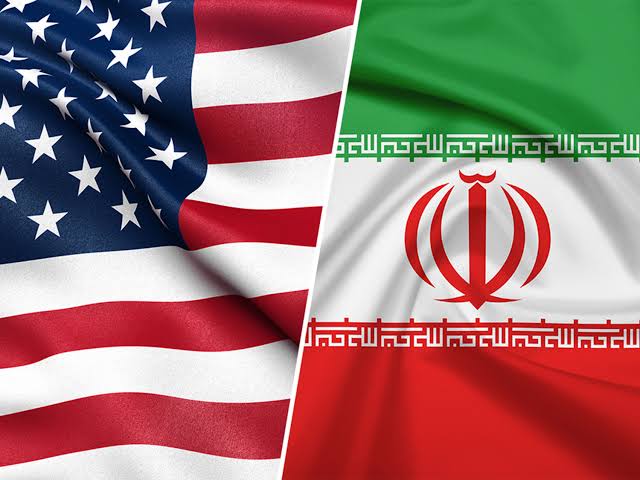
Thomas Barrack, a senior US diplomatic envoy to the Middle East, urged Iraqi and Syrian officials to involve an investment firm run by his business associate in a proposed $15 billion oil pipeline project, raising questions about compliance with federal ethics rules, according to Reuters.
The proposed rehabilitation of the historic Kirkuk Baniyas pipeline is intended to transport Iraqi crude to Syria’s Mediterranean coast, offering an alternative export route that could reduce reliance on the Strait of Hormuz. Iraq and Syria signed memorandums of understanding in July with a consortium comprising TI Capital, Chevron and Qatar’s UCC Holding to conduct technical and financial studies.
Three people familiar with the discussions told Reuters that Barrack promoted TI Capital’s participation during engagements with officials after the outbreak of the US war with Iran. In a June 16 joint statement with Iraqi Prime Minister Ali al Zaidi, Barrack welcomed Iraq’s decision to pursue an agreement with TI Capital, without mentioning the other consortium partners.
Barrack has longstanding business ties with TI Capital founder Ziad Ghandour. Financial disclosures show that Barrack retained an interest entitling him to as much as 20% of the profits from a California real estate venture managed by the company.
Reuters found no evidence that Barrack would personally profit from the pipeline project. Two ethics lawyers told the news agency that the relationship would not necessarily constitute a criminal conflict of interest without a direct financial benefit from the pipeline.
However, former White House ethics lawyer Richard Painter said advocating for a business associate could raise concerns under federal rules requiring officials to avoid matters that might call their impartiality into question. Former US Office of Government Ethics official Don Fox also said promoting a company linked to an official’s private associates could violate rules against using public office for private gain.
Barrack has not obtained an ethics waiver related to the company’s participation in the pipeline project, according to Reuters’ review of government records. His 2025 ethics agreement required him to recuse himself from matters directly affecting the financial interests of the real estate venture unless a waiver was granted.
The State Department said Barrack had no role, affiliation or financial interest in the pipeline project. It added that his public comments reflected longstanding US policy supporting regional energy integration and that he had been certified as compliant with ethics requirements.
Barrack’s office and Chevron declined to comment, while TI Capital, Ghandour and UCC Holding did not respond to Reuters’ requests.
The Kirkuk Baniyas pipeline has been inactive since the 2003 US invasion of Iraq, following decades of intermittent shutdowns. Its revival gained renewed attention after Iran restricted shipping through the Strait of Hormuz during the war, disrupting a critical global oil route.
Sources previously told Reuters that rebuilding the pipeline could take at least four years and cost about $15 billion. Barrack and Ghandour had discussed the idea of involving TI Capital at the Milken Institute Global Conference in Los Angeles in May, according to a person familiar with the conversation.
Barrack and Ghandour have worked together since at least 2020, when they established a $250 million special purpose acquisition company that was later dissolved. Barrack was arrested in 2021 on charges of acting as an unregistered agent of the United Arab Emirates but was acquitted in 2022.








Leave a comment