


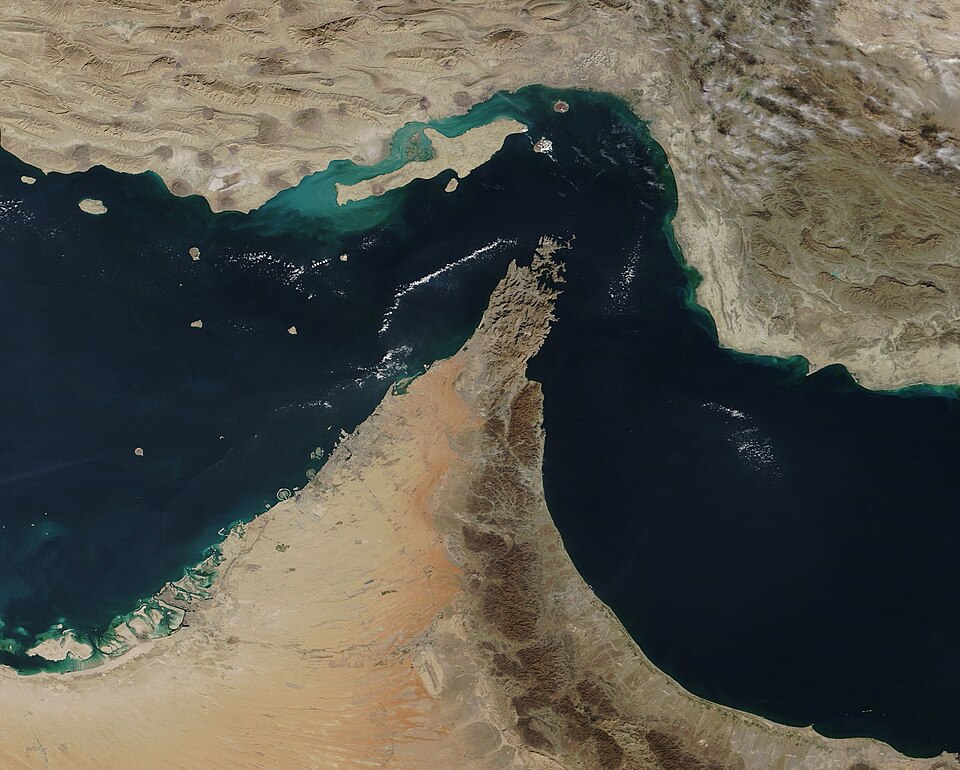
Global oil prices remained volatile on Saturday as traders closely monitored escalating military tensions in the Strait of Hormuz, raising fresh concerns about potential disruptions to one of the world’s most critical energy shipping routes.
Benchmark crude prices fluctuated as investors weighed the risk that continued hostilities between the United States and Iran could affect oil exports through the narrow waterway, which handles nearly 20% of global oil and liquefied natural gas (LNG) shipments.
Although there have been no confirmed disruptions to commercial shipping, analysts said markets remain highly sensitive to developments in the Gulf, where military operations have intensified in recent days. Shipping companies have reportedly increased security measures, while insurers continue to assess the risks facing vessels transiting the region.
Energy analysts warned that any sustained disruption to traffic through the Strait of Hormuz could tighten global oil supplies, drive up fuel prices and increase inflationary pressures in both developed and emerging economies. The waterway is a vital export route for major oil producers, including Saudi Arabia, Iraq, Kuwait, the United Arab Emirates and Iran.
Several governments have called for restraint, urging all parties to avoid actions that could threaten freedom of navigation or destabilise global energy markets. The International Energy Agency (IEA) said it is closely monitoring the situation and remains prepared to coordinate with member countries if supply disruptions occur.
Despite the uncertainty, industry experts noted that global energy markets remain adequately supplied for now, with strategic petroleum reserves and alternative export routes helping to cushion immediate risks. However, they cautioned that prolonged conflict in the region could trigger sharper price swings and increase pressure on governments already grappling with inflation.
Investors are expected to continue watching military and diplomatic developments in the Middle East, as any escalation could have significant implications for global energy security and the broader world economy.










Leave a comment