


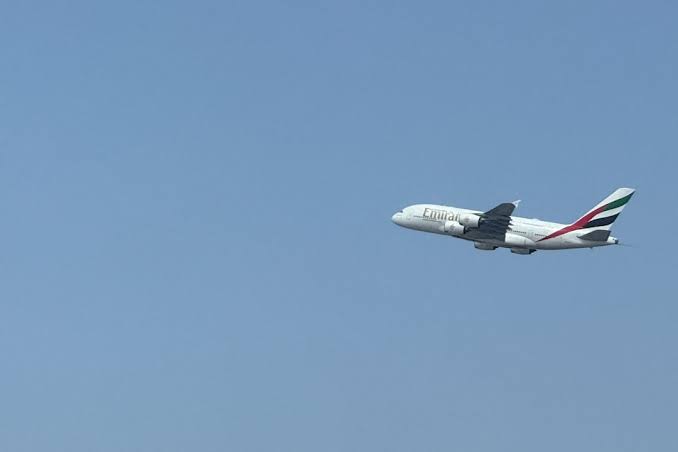
European airlines are facing mounting financial and operational pressure as renewed tensions between the United States and Iran continue to disrupt air travel across the Middle East, forcing carriers to reroute flights, extend journey times and absorb higher operating costs.
Several major European airlines, including Lufthansa, Air France KLM, British Airways and Finnair, have suspended or adjusted flights through parts of the Middle East after security risks prompted the closure or restriction of airspace in several countries.
Airlines have been diverting aircraft around conflict zones, resulting in longer flight times, increased fuel consumption and higher crew and maintenance costs. The disruptions have also affected flight schedules, with some services cancelled or delayed as operators prioritise passenger safety.
Industry analysts say the prolonged uncertainty is placing additional strain on airlines that are still recovering from previous operational challenges and rising costs. They warned that if the regional conflict continues, carriers may be forced to reduce services on some routes or pass increased operating costs on to passengers through higher fares.
The conflict has also disrupted cargo operations, with logistics companies reporting longer delivery times for shipments moving between Europe, Asia and the Middle East. Aviation experts said continued instability could affect global supply chains and international trade if major air corridors remain restricted.
The European Union Aviation Safety Agency (EASA) has continued to advise airlines to closely monitor security developments and conduct regular risk assessments before operating in or near affected airspace. Airlines said they will continue adjusting their operations based on evolving security conditions and official guidance.
Despite the disruptions, aviation authorities stressed that passenger safety remains the industry’s highest priority as airlines work to minimise the impact on travellers while responding to rapidly changing developments in the region.










Leave a comment