


By Benson Daniel
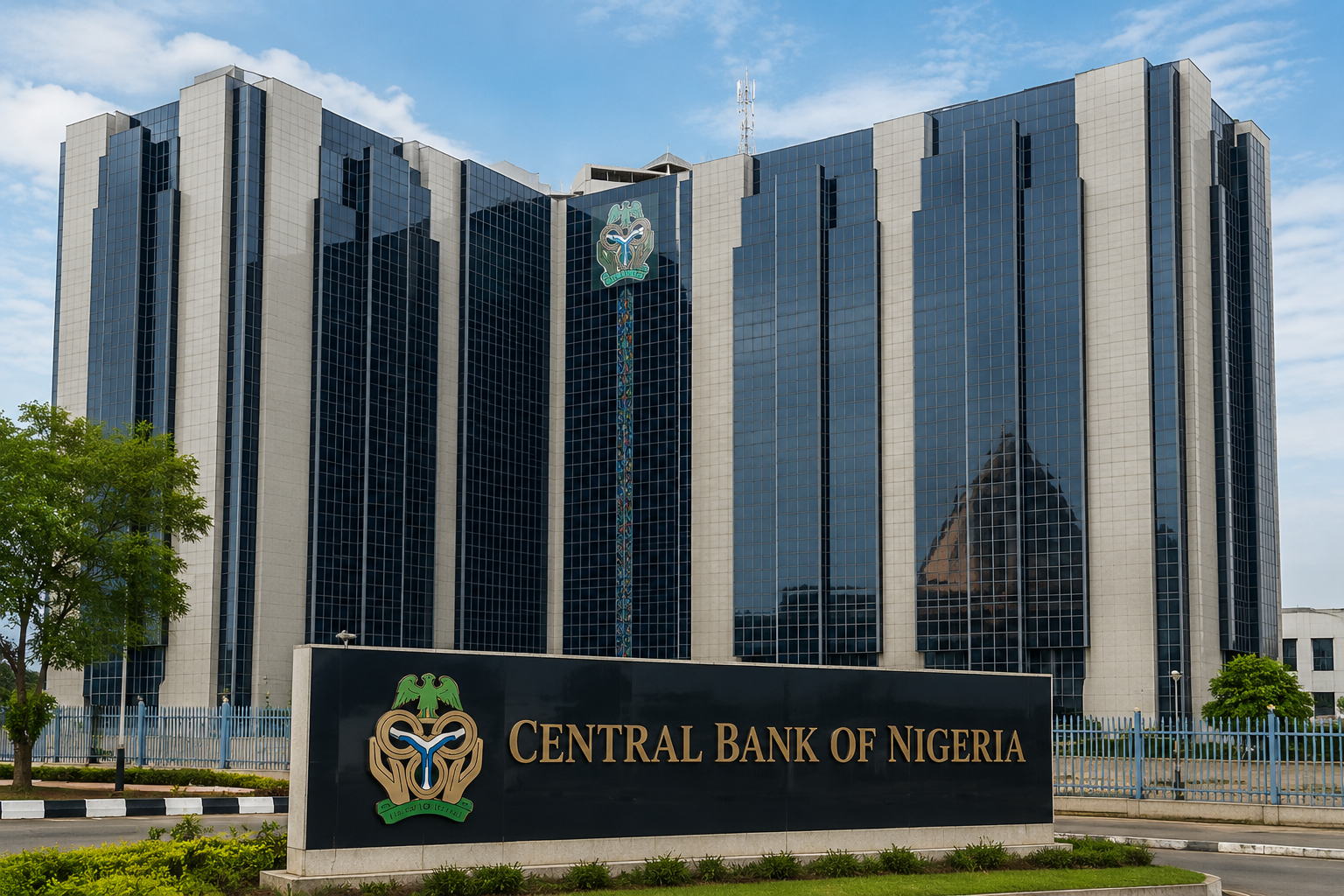
The Central Bank of Nigeria (CBN) is set to raise up to ₦600 billion from the domestic debt market through a fresh Treasury Bills auction scheduled for today, as part of efforts to manage liquidity, finance short-term government obligations and support monetary policy objectives.
The auction will offer investors a mix of short, medium and long-term Treasury Bills, giving banks, pension fund administrators, asset managers and individual investors an opportunity to invest in government-backed securities with varying maturities. The exercise is expected to attract strong participation amid sustained interest in fixed-income instruments.
Market analysts believe the auction comes at a time when investors are closely monitoring inflation trends, exchange rate movements and the direction of interest rates. Treasury Bills have remained one of the preferred investment options due to their relatively low risk and competitive returns compared to other financial assets.
The planned issuance also forms part of the CBN’s broader liquidity management strategy, enabling the apex bank to regulate the volume of money circulating within the financial system. By attracting excess cash through Treasury Bills, the bank aims to curb inflationary pressures while maintaining stability in the financial markets.
Financial experts expect demand to remain robust, particularly from institutional investors seeking secure investment opportunities. However, the level of subscription and the stop rates determined at the auction will provide important signals about investor sentiment and prevailing market conditions.
Recent Treasury Bills auctions have recorded healthy oversubscription, reflecting strong appetite for government securities despite evolving macroeconomic challenges. Analysts say investors continue to favour fixed-income instruments as they offer predictable returns in an uncertain economic environment.
The outcome of today’s auction will be closely watched by market participants, as it is expected to influence short-term interest rates, liquidity conditions and investment decisions across Nigeria’s financial sector. It will also offer insight into the effectiveness of the CBN’s ongoing monetary tightening measures aimed at containing inflation and supporting macroeconomic stability.











Leave a comment